
How to Drain-down a Static Caravan: Full Winterisation Guide
After the summer season, the last thing you want to think about is preparing for winter. But as temperatures drop, leaving your static caravan without the right preparation could mean returning to some expensive problems next spring – and a less than ideal start to next season.
The good news is it doesn’t have to be a big job. Follow our winterisation guide and you could have everything wrapped up in a few hours, especially if you rope in a couple of helpers and get the kettle on.
We’ll cover everything you need to do: draining down your plumbing system, keeping damp at bay, securing your caravan, and getting the outside ready for whatever winter throws at it. We’ve also put together a downloadable checklist so nothing gets missed, and if you’ve got specific questions, jump to our FAQ section below.
Aim to get everything done before the end of October, or at least before the first frost arrives. And before you start, it’s worth checking your insurance policy. Some insurers require specific actions to keep your cover valid while your caravan is unoccupied over winter.
Residential park home owner? Our park homes are built for year-round occupation, so unless you’re leaving yours unoccupied for an extended period, you won’t need to follow all of these steps.
Here’s what we’ll be covering in this guide:
Draining down a caravan
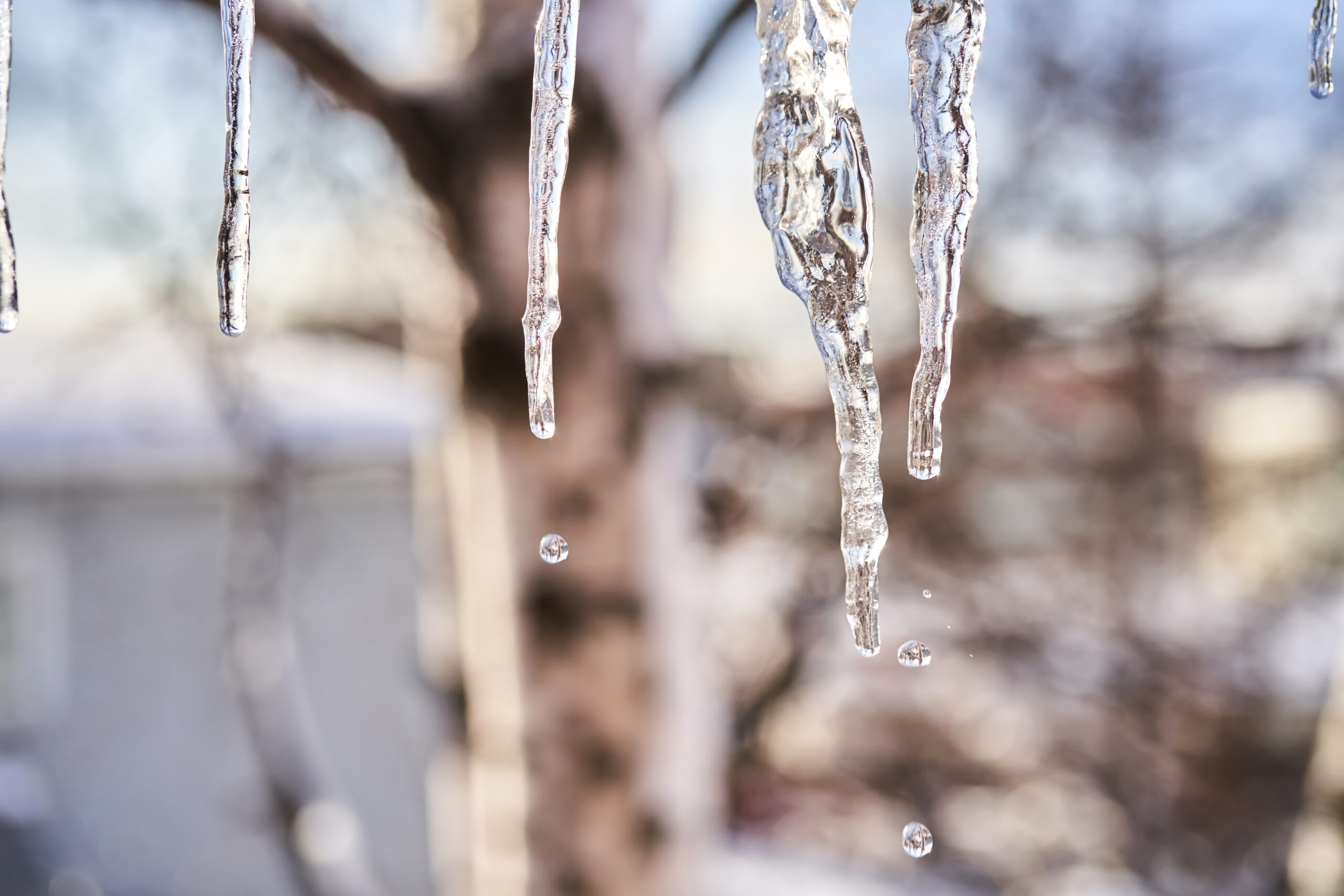
When you drain down your caravan you’re removing all the water from the pipes. This is to avoid freezing problems when the temperature drops over winter. It can make the difference between a caravan that’s ready to go next spring, and one that needs expensive and difficult repairs.
Why do I need to drain down my caravan?
If you’ve ever had pipes freeze at home – or in a holiday home – you’ll know how much of a problem it can cause. Water expands when it freezes, which can cause the pipes to burst. Then when it melts, you’re left with flooding, water damage and ruined pipes.
This is even worse on your static caravan as the pipes could be inside the caravan itself, and in the wall cavities. Plus you won’t be there to spot it right away. Damage could be going untreated and continue to get worse throughout the winter.
So make sure you’re not risking major – possibly irreparable – damage to your caravan by doing a proper drain-down before winter kicks in.
How to drain down a static caravan
The steps below will walk you through the full drain-down process. Keep in mind that the specifics can vary depending on your caravan model, so it’s always worth checking your owner’s manual before you start.
We recommend that this process is completed by a suitably qualified professional – if there are any steps of the drain down that you are not sure about, then please do not attempt to complete the drain down yourself.
You’ll need:
- Caravan-grade antifreeze
- A small compressor
One important note before you begin: do not drain your central heating system. Make sure it has been fitted with antifreeze and leave it well alone.
The drain-down process:
- Turn off the water supply at the stopcock under your holiday home.
- Turn off your heater and anything else that uses water.
- Open the two brass drain-off valves under your bath and shower.
- Open the two brass drain-off valves beneath your water heater or boiler. There will be four brass drain-off valves here – DO NOT drain the central heating valves. You can easily spot them because they’ll be labelled as ‘do not drain’ or similar. The water will drain onto the ground under your caravan.
- Turn on all your taps and your shower, and flush your toilets.
- If you can, take off the shower head and pipe to make sure you’ve got all the water out.
- Connect a small compressor to the mains water inlet pipe and use it to flush out the remaining water from your plumbing system. While it’s running make sure you turn the shower thermostat and any mixer taps from hot to cold to clear both feeds.
- Pour non-toxic antifreeze down the toilet and the plugholes. This will help get rid of any remaining water residue that’s stuck in places like U-bends. Remember that car antifreeze is not appropriate for caravans. You need a specific antifreeze designed for caravans.
We always recommend that you get a professional to carry out your drain-down and many parks offer this service. Make sure you check exactly what’s included so you know if there’s anything left for you to take care of.
Indoor winterisation steps
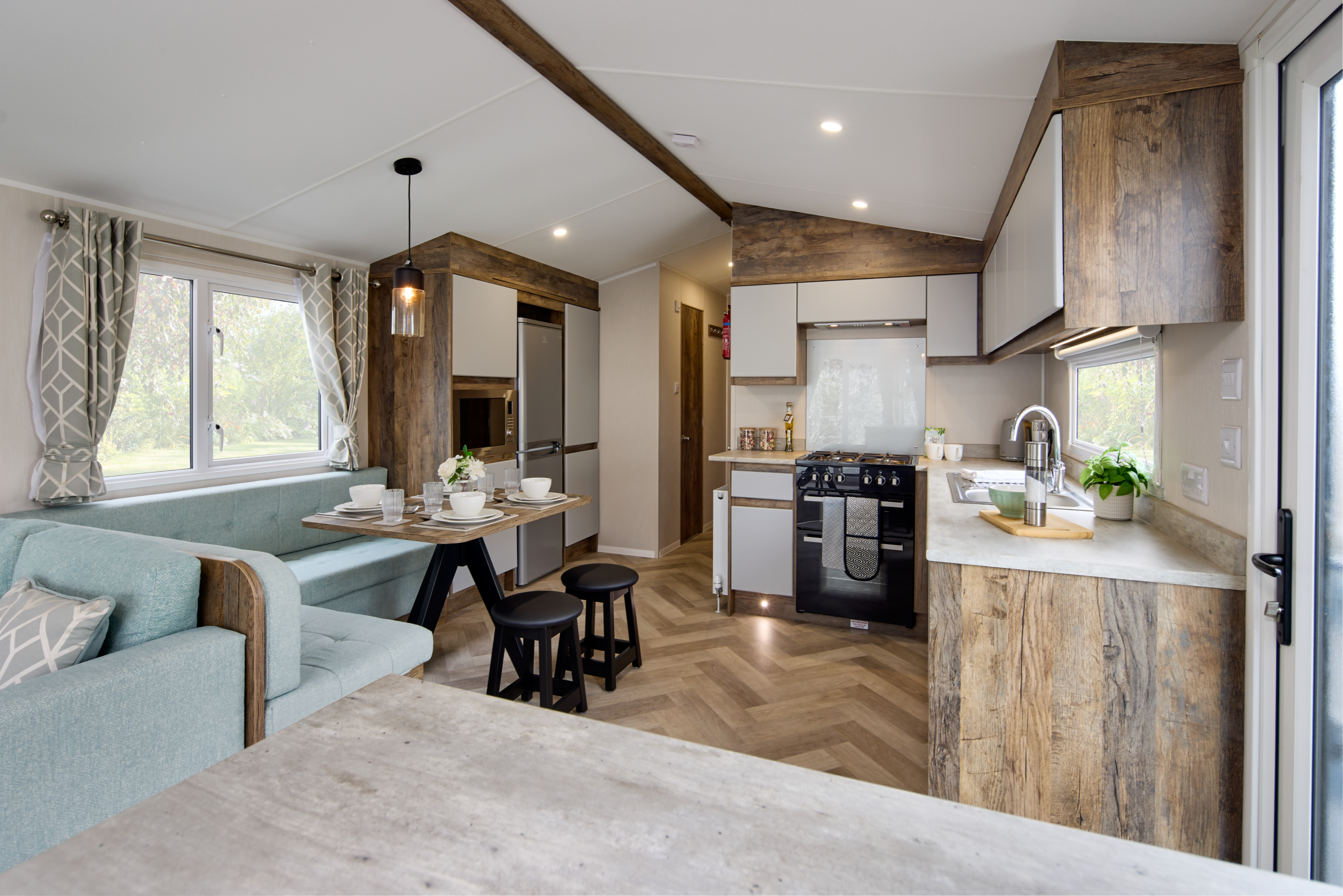
Draining down your caravan is an essential part of your winter preparation. But there are other things you can do to keep your caravan in good condition during winter. Doing so will help you avoid nasty surprises when spring comes.
Gas, water and electricity
Preparing your caravan’s utilities for a few months away is pretty similar to preparing your house when you’re going away.
Start by taking a walk around your holiday home. Check that all appliances are off and unplugged, if they can be. Then you can turn off and disconnect the gas and electricity at the mains. You should already have turned off the water as part of your drain-down process.
Make sure any devices with batteries – like alarm clocks or radios – have them removed if possible. Alkaline batteries can corrode over time and you don’t want to open up your favourite device and find a horrible furry mess inside.
Your water filter needs replacing every year, so it’s a good idea to remove it now and put in a fresh one when you return in spring.
After you’ve done your drain-down, block the toilet and cover up your plugholes to stop any beasties crawling in. Just be sure to remove them before you turn the water back on.
Keep the air flowing
Making sure air can move through your static caravan helps prevent damp and that horrible musty smell you can get after a long winter.
Before you lock up, give the caravan a good airing out – open all the doors and windows for a while and let the cool autumn air blow through. Just remember to close and lock all the outside doors and windows before you leave.
You can leave the trickle vents open, though. This lets fresh air in and keeps things circulating over winter without exposing the interior to the elements. Leave all the internal doors open too – holiday home doors tend to seal pretty well, so keeping them open helps the air move freely from room to room.
In the kitchen
Make sure you don’t leave any food in your caravan over winter, even if it’s unopened. Rodents can be tenacious little rascals, and they’ll nibble through most things. Tinned food is the only exception but if you are leaving any cans make sure to pop them on a sheet of paper to avoid leaving rust rings.
Give everything a really good clean before you leave. When you return, small stains could have spread and even tiny crumbs can attract pests. Plus, it’s much nicer to come back to a spotlessly clean holiday home next year.
Leave all the cupboard doors open to help with airflow. Defrost the fridge and freezer, give them a good clean and dry and leave those doors open too. This will help to avoid any mould or damp building up.
Soft furnishings
Soft furnishings are a magnet for dampness and rodents. Let’s be honest, the last thing you want is to find a little mouse family in your favourite cushion when you get back.
So if you can, take as many of your cushions and covers with you when you leave for the winter. If you can’t, sealing them up in vacuum bags can be a good way to protect them. Make sure you move as much as you can away from the exterior walls. You can also roll up any loose rugs and stand them up in the middle of the caravan.
Top tip: Place a few bowls of salt or silica gel sachets around your caravan before you leave. Both absorb moisture from the air and can make a real difference in keeping damp at bay over the winter months.
Insurance and security
Make sure you lock all the windows and doors before you leave. This might seem obvious, but it’s easy to overlook when you’re heading off.
Leave your curtains and blinds open, or take them down if it’s easy to do so. Letting daylight into your caravan can help prevent damp and mould from forming.
It’s also worth checking with your site and insurance if they have any recommendations about what you should do to stay secure over winter. If they do, make sure you follow their guidelines.
Outdoor winterisation steps
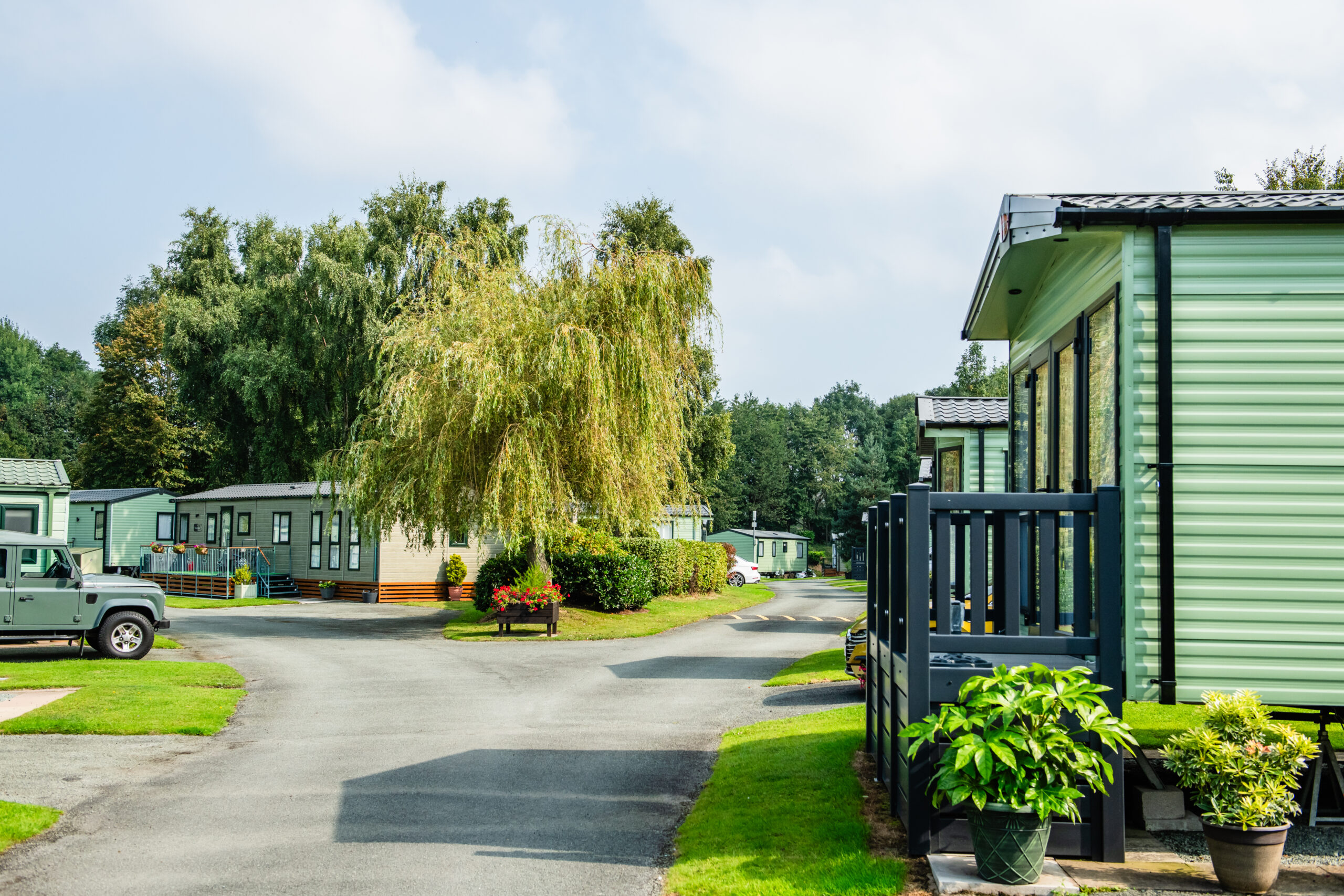
Once you’ve tackled the inside, it’s time to head outside. Winter can turn even the smallest crack or blockage into a much bigger problem, so it’s worth taking the time to give the exterior of your caravan a thorough once-over before you leave.
Joints
Have a good look for any loose joints and gaps on the outside of your holiday home. These are the points where the rain can work its way inside the walls and start to cause damp problems. If you find any, make sure they’re fixed and watertight before you leave.
Guttering
Check and clean the guttering. If it’s clogged with leaves then water can overflow and run down the walls and windows of your caravan, causing all sorts of damage. If you don’t fancy doing it yourself, any gutter cleaner should be able to come and do it for you.
Pipe lagging
Check the lagging on any outdoor pipes, and if it’s not looking too good replace it. Your drain-down should prevent any freezing problems, but good lagging will help too.
Tidying up
If there’s any foliage growing up or around your holiday home, spend a bit of time cutting it back. It won’t grow much over winter and having space for air to flow underneath your caravan can help prevent issues.
Finally, pack away any outdoor furniture you have. If you have outdoor storage that’s great – if you need to take it inside, make sure it’s clean and dry before you leave.
…And you’re done.
All this might seem like an awful lot, but it’s not that much worse than giving your caravan a good deep clean. And you only have to do it once a year. So it has to be worth putting in the extra effort to make sure everything is ready for when you return, right?
Remember some parks offer a winterisation or drain-down service for a fee. If you do this, confirm exactly what the service covers. That way you can make sure you cover anything else that needs doing.
Either way, preparing your caravan for winter will make it more pleasant to return to in spring. Winterisation not only saves you money on repairs, it also prevents you from missing part of next year’s season waiting for them to be done.
You’ll be able to rock up, spend a little time turning things back on and putting them back in their places then relax.
FAQs
What happens if you don’t drain down a caravan?
If you don’t drain down your caravan before winter, any water left in the pipes can freeze as temperatures drop. Water expands when it freezes, which can cause pipes to crack or burst. When it thaws, you’re left with flooding and water damage inside your caravan – often inside the walls where you can’t see it straight away. It’s one of the most expensive and disruptive problems a caravan owner can face, and it’s entirely preventable.
Where do I put antifreeze in a static caravan?
Caravan-grade antifreeze should be poured down the toilet, plugholes and shower drains to protect any water residue left in the U-bends. You can also add it to the toilet cistern. Never use car antifreeze in a caravan. It is highly toxic and could contaminate your water supply – always use a non-toxic antifreeze specifically designed for caravans and follow the manufacturer’s instructions.
How do I stop damp in a static caravan over winter?
Good airflow is your best defence. Leave internal doors, cupboard doors and trickle vents open, but make sure windows and external doors are closed and locked. Take soft furnishings home where possible, or seal them in vacuum bags. Move furniture away from exterior walls and roll up rugs. Leaving bowls of salt or silica gel sachets around the caravan also helps absorb moisture while you’re away.
Should you leave caravan windows open in winter?
No, windows should be closed and locked before you leave. However, you should leave the trickle vents open. These allow a small amount of fresh air to circulate through the caravan without exposing the interior to the weather or giving pests a way in.
Do I need to drain the central heating?
No, and it’s important that you don’t. Unlike the rest of your plumbing system, your central heating is a sealed, self-contained pressurised system that comes pre-filled with antifreeze. It’s designed to look after itself over winter.
Draining it or interfering with it will disrupt the antifreeze balance and could potentially invalidate your warranty or boiler system. Leave it completely alone and focus your drain-down on the fresh water pipes instead.
Can you leave bedding in a caravan over winter?
Bedding and soft furnishings absorb moisture easily and can become damp or mouldy over winter. Take them home with you if you can. If that’s not possible, wash and dry everything thoroughly before sealing it in vacuum bags – this will protect against damp, mould and odours while the caravan is unoccupied.