
80 Years of the British Holiday: From Seaside Resorts to Staycations
As Willerby celebrates its 80th anniversary, it marks eight decades at the heart of the British holiday. Long enough for Britain to go from rationing to Ryanair, from Butlin’s to Benidorm, and through a global pandemic and back again. As the country changed, so did the way we holiday – and so did Willerby.
Here, we look back at 80 years of the British holiday, and why the caravan has been part of it every step of the way.
In this article:
- Post-war Britain: When the seaside holiday was everything
- The 1960s: When Britain fell in love with the caravan
- From Butlin’s to the Balearics: The package holiday era
- Budget flights, lockdowns and the staycation revival
- 80 years of Willerby: A British holiday institution
Post-war Britain: When the seaside holiday was everything
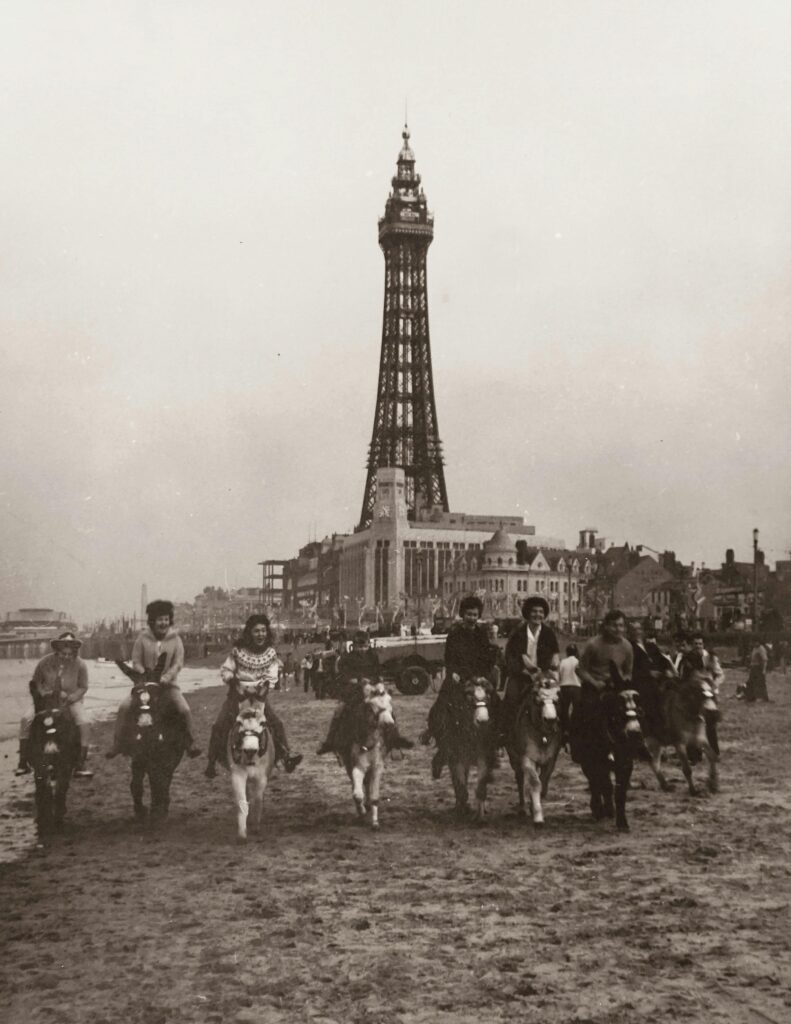
In 1946, the war had been won, but rationing was still in force, cities bore the scars of bombing, and the idea of a foreign holiday was as remote as the moon. After years of blackouts and make-do-and-mend, people needed an escape. And the seaside was calling.
Buckets and spades were dusted off and trains were packed to the brim as factory towns emptied during wake weeks – annual, week-long summer holidays when whole factories would down tools and head for the coast together.
If you were from the north, that meant Blackpool, Scarborough, or Filey. If you were from the south, Brighton, Bournemouth and Margate. Foreign travel wasn’t affordable, and frankly it wasn’t necessary. A bag of chips, a deck chair, and the sound of the sea was enough.
Butlin’s holiday camps captured that mood perfectly. Requisitioned by the government during the war, they reopened their gates at Skegness and Filey in 1946, offering all-inclusive family entertainment for roughly a week’s wages. It was the holiday of the moment, and it was just what the country needed.
Founded in Hull in 1946 by Walter Allen, Willerby echoed the make-do-and-mend attitude of the decade. Our very first model, the York, was built from repurposed wartime materials. It wasn’t luxury, but it was affordable. A place of your own to escape to, at a time when families needed an escape.
The 1960s: When Britain fell in love with the caravan
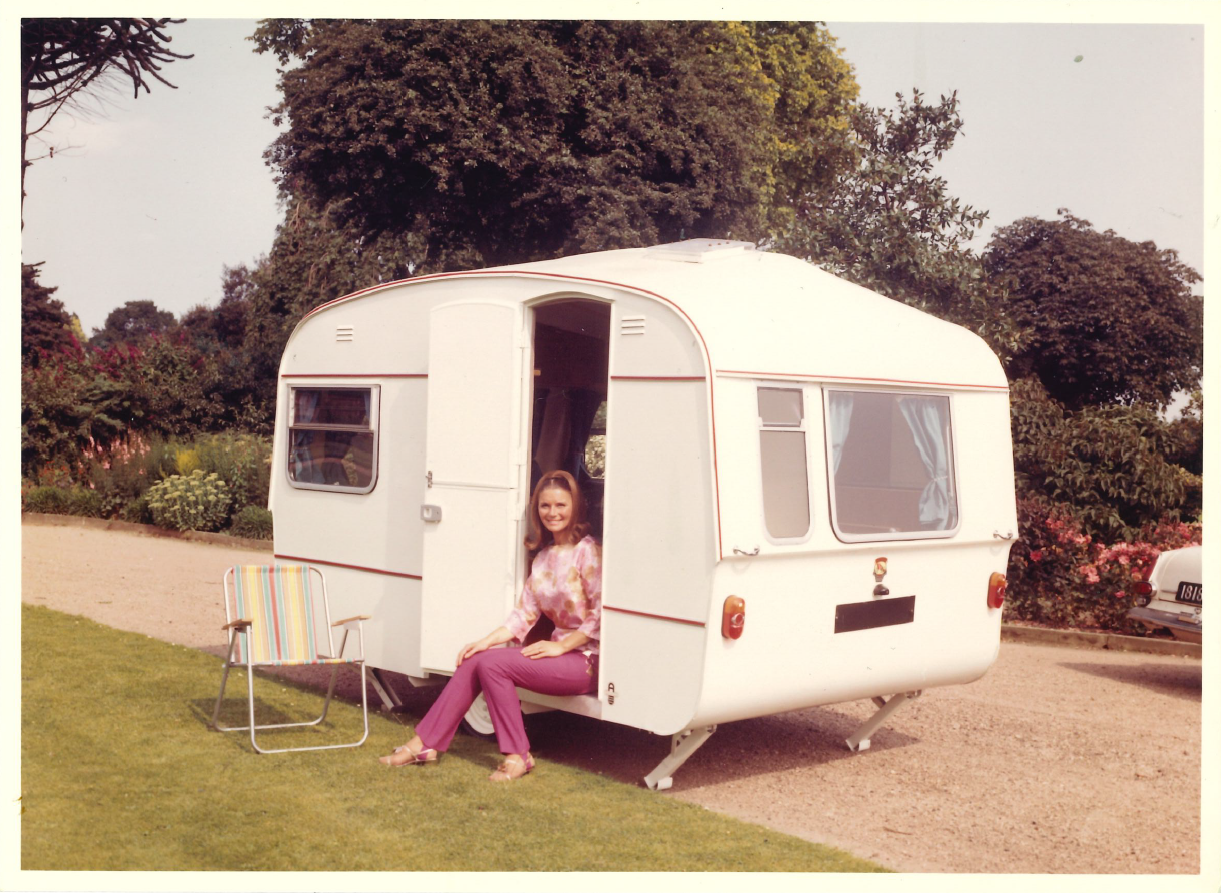
By the early 1960s, austerity was a fading memory. Rationing had ended in the mid-50s, wages were rising, cars were appearing on driveways across the country, and British families had more time and money for leisure than ever before. And the British seaside didn’t lose its appeal. If anything, it got busier – beaches from Blackpool to Brighton were packed shoulder to shoulder through the summer months.
And as more families got a car, they wanted something to tow behind it. In the early 1950s, around 3,000 caravans were made annually in Britain. By 1972, that figure had reached 67,000. Most headed for coastal holiday parks – offering basic amenities and some entertainment – but a caravan meant you weren’t tied to anywhere. You could go wherever you wanted, whenever you wanted, and pull over wherever you fancied stopping. Willerby’s Vagabond model, launched in the 1960s, was made for exactly that – one adventurous owner even towed theirs through Spain and the Alps.
By the late 1970s, things were changing. Foreign package holidays were becoming accessible to ordinary families, and by 1979, spending on overseas holidays overtook domestic holidays for the first time. A new chapter of the British holiday was about to begin.
From Butlins to the Balearics: the package holiday era
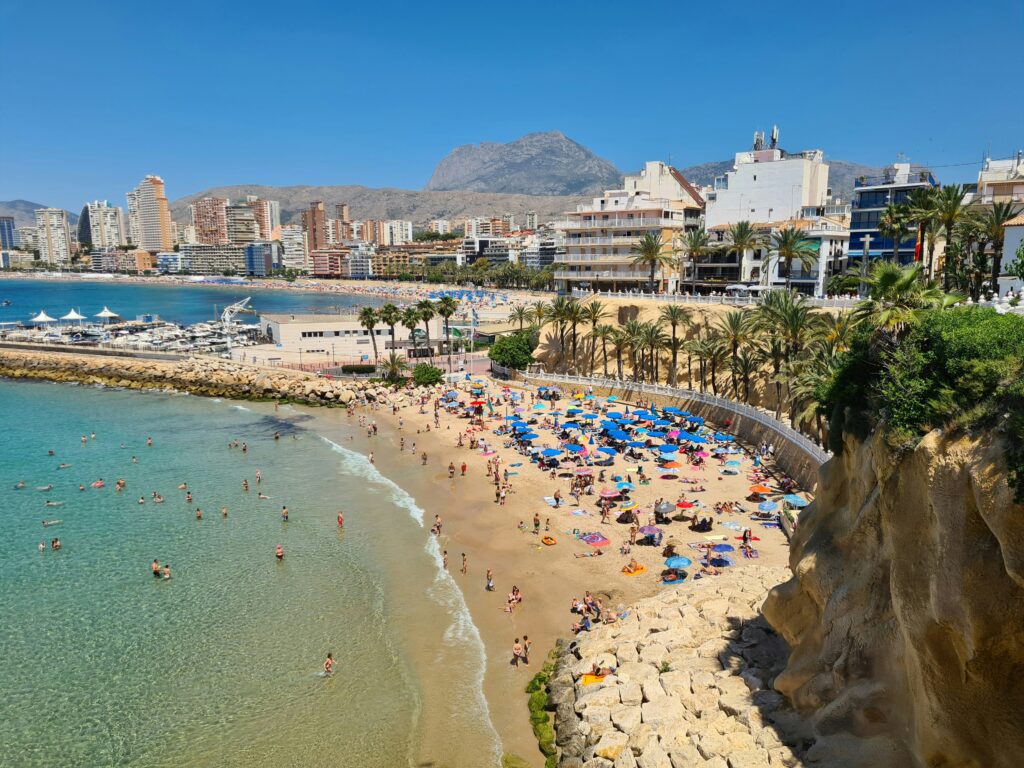
By the early 1980s, the shift that had begun in the late 1970s was now in full swing. Scarborough, Blackpool, and Brighton were being swapped for Majorca, Magaluf, and Benidorm. High-street travel agents engaged in fierce competition, attracting adventurous Brits with affordable prices, guaranteed sunshine and the ease of having everything taken care of. Families could take advantage of 17-day trips to Europe for £69, with kids often going free. Club 18-30, with its organised package holidays for singles, became a rite of passage for a generation of young Brits. Sun, sea, and sangria for £49. Why would you go anywhere else?
In the 1990s, the world got smaller still. Long-haul travel became increasingly affordable, and far-flung destinations like Florida, Thailand, and the Caribbean saw an influx of British holidaymakers. Then the internet arrived, and booking a flight to Malaga became as easy as ordering a pizza.
And yet through all of it, the caravan holiday endured. For those with a tourer, the world had opened up. The Channel Tunnel opening in 1994 made possible a whole new kind of caravan adventure, with Eurocamp giving families the freedom to tour Europe at their own pace – not unlike that Vagabond owner towing through the Alps 30 years earlier.
But for most, the appeal was closer to home. Holiday parks along the British coast were evolving – kids clubs, evening entertainment, and facilities that made them a destination in their own right. Static caravans, like the Willerby Kestrel model, now featured central heating, double glazing, and fitted kitchens, turning what had once been a basic bolthole into a genuine home from home. The package holiday might have stolen the headlines through the 80s and 90s, but the British caravan holiday wasn’t going anywhere.
Budget flights, lockdowns and the staycation revival

By the mid-2000s, overseas holidays had nearly doubled in a generation – from 36.7 million trips in 1996 to 69.5 million by 2006. A transformation that would have been unimaginable to the Butlin’s generation just 40 years earlier. Spain, Greece, Turkey and the Canary Islands were becoming as popular as those early seaside resorts.
And a new kind of traveller was emerging. One who booked their own flights, found their own accommodation, and wrote their own itinerary. Thanks to Airbnb, Instagram and Tripadvisor, far-flung destinations were at our fingertips. Wanderlust had never had such good marketing, and cheap flights meant acting on it was easier than ever.
The first hint of change came in 2016, when the Brexit vote led to a 5.8% increase in domestic holidays the following year. But nothing could have prepared the travel industry, or British holidaymakers, for what came next. In 2020, the COVID-19 pandemic brought international travel to a standstill. With nowhere else to go, we stayed home and rediscovered that Britain had been a brilliant holiday destination all along.
Coastal towns like Salcombe, Whitstable, and St Ives saw a surge in visitors. Demand for holiday cottages went through the roof, as staycations became the only option on the table. Canal boats, glamping sites, holiday parks, and city breaks experienced a remarkable revival post-lockdown. People explored corners of the UK they’d never thought to visit before and found they didn’t need a boarding pass to have a great holiday.
By 2024, 52% of us were staying closer to home, and it’s easy to see why. No airport queues, no packing stress, just a proper home from home where the whole family, young and old, can actually unwind. The caravan and holiday home industry has quietly been at the centre of this revival – and companies like Willerby, crafting quality lodges and static homes since 1946, have helped generations of British families fall back in love with what’s on their doorstep. The British holiday has come full circle, and the staycation has never been more appealing.
Celebrating 80 Years of Willerby – a British holiday institution
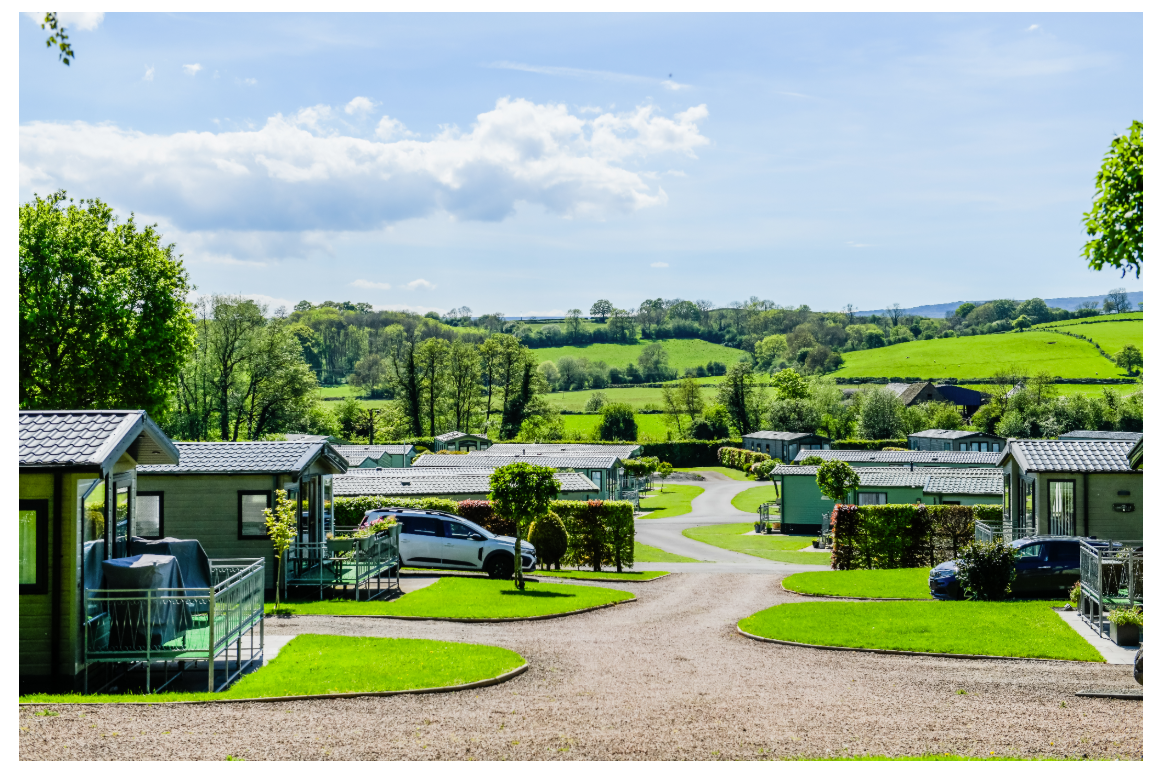
Eight decades is a long time. Long enough for foreign holidays to go from an impossible dream to an everyday reality. Long enough for Benidorm to boom, for budget airlines to change everything, and for a global pandemic to remind us what we have on our doorstep. And through all of it, the caravan endured, and so did Willerby.
Today’s holiday homes are a world away from that first York caravan Walter Allen built in Hull in 1946 – spacious, stylish, and full of modern comforts. But the appeal is the same as it ever was. Your own space, your own pace, and Britain’s coastline, countryside, and national parks right on your doorstep. As it turns out, you don’t need to go very far for a brilliant holiday.
Here’s to 80 years of WIllerby. 80 years of sandcastles and road trips, of rainy afternoons and perfect sunsets, of families gathering around the table in a place that felt like their own. 80 years of British holidays at their very best, and 80 years of Willerby helping to make them happen.